1776 America SVG PNG, 4th of July
A Designer’s First Look: Bold, Clean, and Unapologetically Patriotic
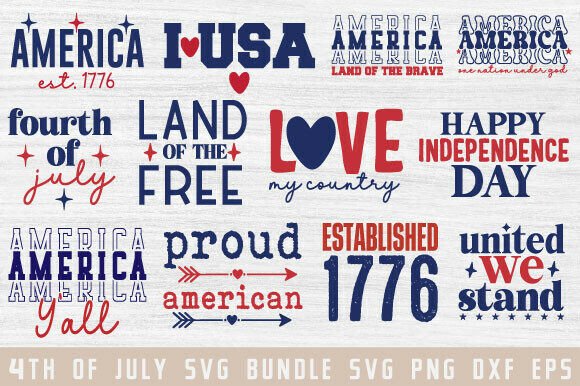
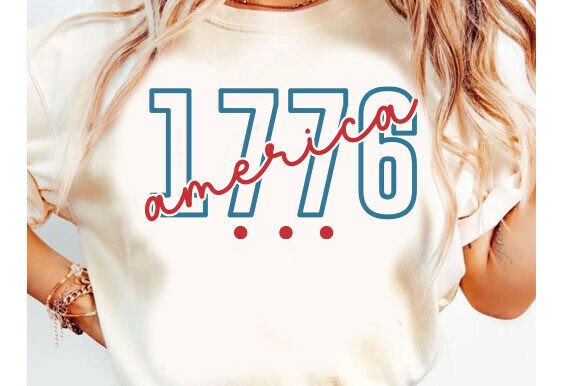
When I opened the 1776 America SVG PNG, 4th of July zip file, what stood out immediately wasn’t just the year “1776” or the word “America”—it was how confidently simple the layout felt. The design balances vintage gravitas with modern clarity: strong serif lettering, clean negative space, and a centered composition that reads instantly at arm’s length. It doesn’t try to be ornate or overly illustrative—no eagles, no fireworks, no layered banners. That restraint is its strength. As a designer who’s stitched hundreds of holiday-themed pieces for small shops and Etsy sellers, I appreciate when a graphic trusts the viewer to bring context instead of overloading the visual field.
Where This Design Truly Shines: Real Projects, Real Fabric
Last week, I prepped a batch of embroidered cotton tote bags for a local boutique’s Independence Day pop-up—and the 1776 America SVG PNG, 4th of July was my top pick for the front panel. Why? Because it scaled beautifully from 3.5" to 5" wide without losing legibility. On medium-weight canvas, the letterforms held crisp edges in satin stitch, and the open spacing between characters prevented thread buildup. I also tested it on a lightweight unisex sweatshirt (80/20 cotton-poly blend), using tear-away stabilizer underneath and light topping for the knit surface—and the result looked polished, not pixelated or fuzzy.
It works especially well for products where message matters more than decoration: baby onesies (paired with soft pastel thread), linen aprons for kitchen boutiques, woven tea towels, and even minimalist pillow covers for patriotic nursery decor. As a machine embroidery design, it avoids the pitfalls of over-detail—no tiny stars to vanish in fill stitch, no fragile serifs that distort on stretchy fabric. That makes it reliable for both hobbyists stitching their first custom apparel and craft businesses turning out consistent batches of embroidered patches or holiday gifts.
Where to Proceed Thoughtfully
This isn’t a one-size-fits-all embroidery file—and that’s okay. The 1776 America SVG PNG, 4th of July has presence, but presence demands intention. On dark fabrics, especially navy or charcoal, I recommend testing thread colors with a black-and-white mockup first: some reds or blues can mute unexpectedly under dense satin stitch. On thin or delicate fabrics like rayon challis or lightweight chambray, reduce stitch density slightly—or switch key letters to running stitch outlines—to avoid puckering.
Caps and curved surfaces are trickier. The straight-line geometry of this design resists natural distortion less gracefully than arched or circular motifs. If you’re planning sweatshirt embroidery or cap embroidery, consider placing it on the back panel or left chest—not the crown—unless you’re using a specialized cap hoop and have verified the vector paths align cleanly across the curve. Also, avoid layering it directly over seams or darts without extra stabilizing: those tight corners can shift during hooping, blurring the crispness that makes this design so effective.
What It Adds—And What It Doesn’t Pretend To Be
The 1776 America SVG PNG, 4th of July elevates handmade product perception by reading as intentional, not clip-art. Customers notice when lettering feels grounded—not floating, not cramped, not fighting the fabric. That confidence translates into perceived value: a $28 embroidered tote bag with this design sells faster than one with a generic “USA” script because it signals thoughtful curation, not mass-market filler.
It also supports brand consistency for small shop owners. Whether you’re an Etsy seller offering personalized gifts or a craft fair vendor building seasonal collections, this design slots neatly into a cohesive aesthetic—especially alongside neutral-toned apparel or natural-fiber home goods. It doesn’t shout; it affirms. And in holiday embroidery, that quiet authority often resonates deeper than glitter or animation.
Practical Notes Every Embroidery Designer Should Check
- Test on scrap fabric first—especially if stitching on textured weaves or blends. Even simple lettering reacts differently to terry cloth vs. twill vs. quilting cotton.
- Review stitch density before finalizing your embroidery file. High-density satin stitch looks rich on stable fabrics but can stiffen lightweight materials.
- Confirm hoop size compatibility. While the SVG and EPS files scale freely, your actual machine embroidery software may require resizing adjustments depending on intended placement.
- Inspect small details in vector preview. Zoom in on the terminals of the “7” and “6”—are they sharp or slightly rounded? That affects how cleanly they stitch on fine-thread settings.
- Try black-and-white and color mockups side-by-side. Does the design retain impact in monochrome? That’s critical for embroidery projects where thread variety is limited.
- Use appropriate stabilizer. Medium-weight cut-away works best for knits; tear-away suffices for stable wovens. Don’t skip it—even clean graphics need foundation.
- Verify licensing terms before selling finished products or bundling the digital embroidery file with other design assets. The product description notes it’s a Graphics file for T-Shirt Designs—but commercial use rights aren’t stated outright, so confirm before scaling for your craft business.
Final Thought: A Solid Anchor for Patriotic Projects
The 1776 America SVG PNG, 4th of July won’t replace a full-featured applique design or a multi-element holiday scene—but it doesn’t need to. It’s a focused, functional, and quietly sophisticated machine embroidery design built for real-world use: clear at a glance, stable under needle, versatile across fabric types, and respectful of the craft behind every finished product. Whether you’re stitching a single personalized gift or producing small-batch merchandise for your handmade shop, this design earns its place—not through flash, but through reliability, readability, and honest American spirit.