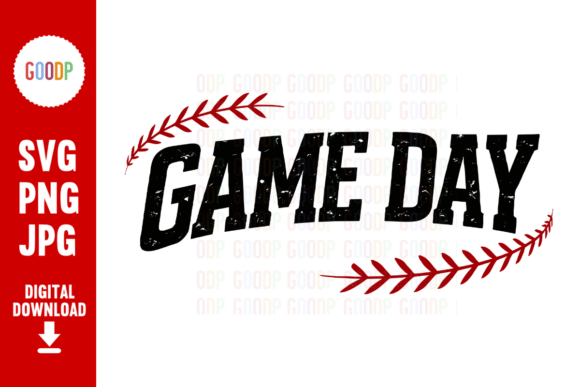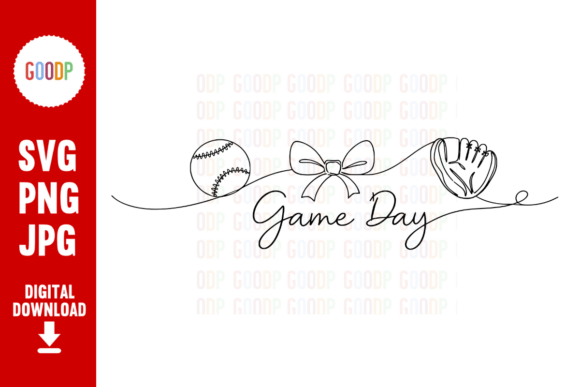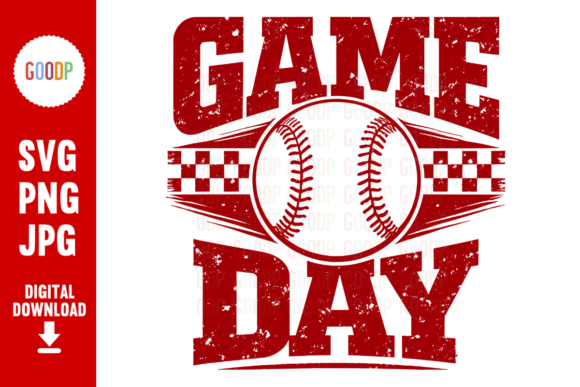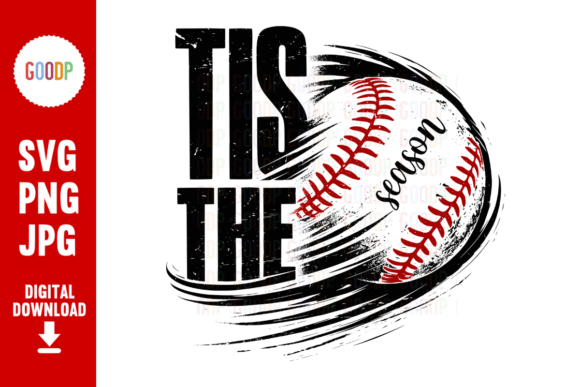
Game Day Baseball Glove Ball SVG
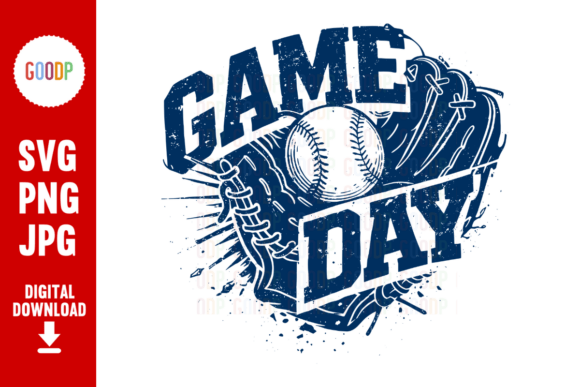
Let’s be real: not every baseball-themed design holds up under needle and thread. I’ve stitched hundreds of sports graphics—from clean vector logos to overworked novelty motifs—and Game Day Baseball Glove Ball SVG stands out for its intentional grit. It’s not polished perfection. It’s a deliberately weathered glove wrapped around a scuffed ball, with raw edges and subtle texture that reads as *lived-in*, not lazy. That distinction matters—especially when you’re turning it into an embroidered patch, a custom sweatshirt for a little league coach, or a boutique tote for a dad who still keeps his high school glove in the garage.
This Isn’t Just “Baseball”—It’s Urban Craft Energy
The first thing I noticed wasn’t the shape—it was the mood. This isn’t a cartoon mascot or a crisp team crest. It’s illustration with attitude: slightly asymmetrical, grounded in negative space, and built for contrast. The distressed treatment works because it translates well to stitch—no fine-line illusions to collapse under fill stitch density. When I mocked it up as a 3.5" embroidered patch on twill, the worn-in feel stayed legible without relying on grayscale gradients or tiny simulated scratches (which rarely embroider cleanly).
I tested it on a midweight cotton sweatshirt—front left chest placement—and it held its own. The glove’s curved fingers read clearly in satin stitch, and the ball’s compact roundness avoided the “blob” effect I’ve seen with poorly digitized circles. No floating threads. No over-stitched shadows. Just confident, functional shape language.
Where It Shines (and Where It Needs Thought)
Strong fits:
- Tote bags and aprons—the bold silhouette pops against canvas or denim without needing extra borders or outlines.
- Sweatshirts and hoodies—its moderate width (roughly 2.75–4" wide depending on scaling) anchors a garment without overwhelming it.
- Embroidered patches—clean outer edge means easy tear-away backing and crisp border stitching.
- Baby onesies and toddler caps—when scaled down to ~2", the core shapes remain recognizable; no fussy details get lost.
- Holiday or milestone gifts—think “First T-Ball Season” embroidery on a tea towel or pillow cover. It feels personal, not mass-produced.
Use with care:
- Thin or stretchy fabrics—like lightweight jersey or ribbed knit—require medium-weight cutaway stabilizer underneath. The glove’s open webbing area can shift if the base fabric moves during stitching.
- Dark fabrics—test thread contrast early. A charcoal glove on navy can mute unless you choose a warm gray or off-white thread instead of stark white.
- Caps and curved surfaces—hoop it flat first, then adjust tension and stitch order if your machine allows. The ball’s round form benefits from a gentle underlay to prevent puckering.
- Small hoop sizes (under 4")—avoid cramming it into a 3"x3" hoop at full detail. Scale thoughtfully: prioritize glove shape clarity over tiny stitch-level distressing.
What It Does for Your Craft Business
If you sell handmade apparel or digital embroidery files, Game Day Baseball Glove Ball SVG adds quiet credibility—not flash, but authenticity. Customers scrolling Etsy for “baseball mom shirt” or “coach gift” respond to design that feels curated, not clip-art. Its urban, slightly vintage energy aligns with current small-shop aesthetics: think neutral tones, natural fibers, and unforced storytelling.
I used it on a linen-cotton blend kitchen towel for a local craft fair. No text. No extra embellishment. Just the design centered, stitched in matte ecru thread. Three people asked where I got the “vintage baseball logo”—even though it’s brand new. That’s the power of intentional illustration: it implies history, not haste.
For Etsy sellers listing digital files, this is a smart companion to cleaner lettering designs or minimalist player-number graphics. It balances variety without diluting brand voice—especially if your shop leans into sports nostalgia, dad-style, or backyard-league charm.
Practical Designer Notes Before You Stitch
Before committing to a client order or bulk production:
- Always test on scrap fabric—same weight, same color, same stabilizer you’ll use on the final piece.
- Check thread color contrast in natural light. What looks sharp on screen may fade on dark chambray.
- Review stitch density—if converting from SVG to embroidery file, watch for overly dense fill areas in the glove’s palm or ball seams. Adjust underlay if needed.
- Confirm hoop size compatibility—some versions of this design may push 4.5" wide; verify before hooping.
- Inspect small details—does the “distressed” edge translate as intentional texture or unintended fraying in stitch? Zoom in on your embroidery software preview.
- Test black-and-white mockups—this design relies on shape and weight, not color. If it reads strong in grayscale, you’re golden.
- Use proper stabilizer—cutaway for knits, tear-away for stable wovens, and consider topping for textured fabrics like terry cloth.
- Verify licensing—since it’s categorized under Illustrations and Graphics, confirm whether commercial use (e.g., selling finished embroidered items or reselling digitized versions) is permitted before launching a product line.
Bottom line? Game Day Baseball Glove Ball SVG isn’t just another sports graphic. It’s a thoughtful, stitch-ready foundation—grounded in craft sensibility, flexible across products, and quietly persuasive in how it makes a handmade item feel both personal and professional. Whether you’re stitching a single baby cap or building a seasonal collection for your small shop, this one earns its place in your design assets—not because it’s flashy, but because it works.