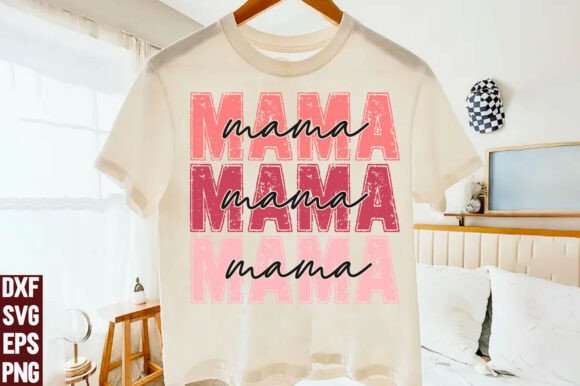
Retro Mama & Coquette Bow Design Review
As a designer who’s stitched over 300 custom embroidery projects—from boutique aprons to Etsy baby onesies—I opened Retro Mama SVG, Retro Coquette Bow PNG with quiet curiosity, not hype. I wasn’t looking for “cute.” I was looking for workability: Will this hold up on a ribbed cotton sweatshirt? Will the bow read clearly at 3.5 inches tall on a linen tea towel? Will my customers recognize the charm *and* feel the craftsmanship?
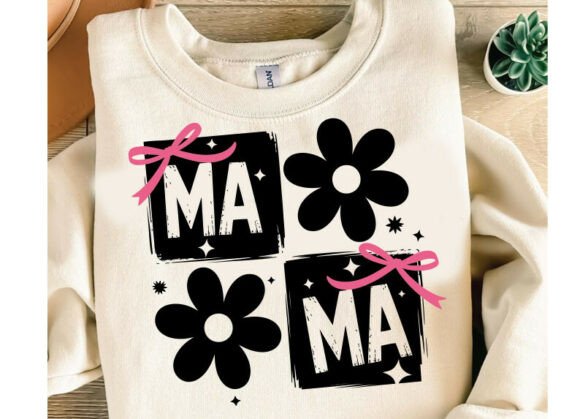
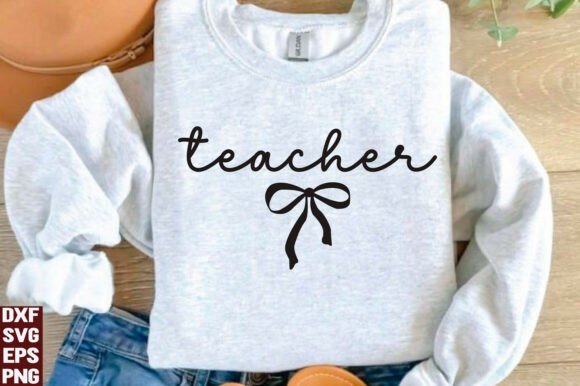
Let’s be real: retro-coquette aesthetics are having a moment—but not all designs translate cleanly to thread. This one lands with soft confidence. The composition balances playful femininity and clean mid-century structure: rounded serif lettering for “Retro Mama,” paired with a gently curved bow that feels hand-drawn, not algorithmically smoothed. There’s no excessive ornamentation—no tiny scallops, no micro-dots, no overlapping layers that would bleed or blur in satin stitch. That simplicity is its first strength.
I tested it as a finished piece on a heavyweight organic cotton tote bag—my go-to for small shop merchandise. Hooped with medium tear-away stabilizer, stitched in matte poly-cotton thread (navy on cream), the design landed with warmth and legibility. The bow’s loops held shape without puffing; the “Mama” letterforms stayed crisp, even across the slight curve of the bag’s side seam. Customers paused at the booth—not just to admire, but to ask, “Is that *your* design?” That kind of quiet recognition matters. It signals intention, not trend-chasing.
This isn’t a one-size-fits-all machine embroidery design. Its personality shines brightest on products where nostalgia meets utility: embroidered pillow covers for a vintage-inspired nursery, tea towels for a farmhouse kitchen brand, or minimalist sweatshirts for a small-batch apparel line. It also works beautifully as an applique design—cut from contrasting felt or chambray, then secured with a tight satin stitch border. The bow’s open negative space makes it forgiving for fabric texture; I’ve seen it stitch cleanly on slubbed linen and brushed cotton twill alike.
Where caution applies: avoid cramming Retro Mama SVG, Retro Coquette Bow PNG into under-3-inch hoops. The bow’s width needs breathing room—below 2.75", the curves begin to compress, losing their bounce. On stretchy fabrics like jersey tees or lightweight knits, use cut-away + topping combo stabilizer. And skip it for ultra-thin fabrics like voile or silk charmeuse unless you’re adding dense backing—those delicate letterforms need support to prevent shadowing or puckering.
Dark fabric? Yes—but choose thread colors deliberately. A warm charcoal gray or deep rust reads richer than black on navy or charcoal heather. For light backgrounds, off-white or oatmeal thread adds subtle depth without sacrificing clarity. I always test both in printable mockups first—seeing how the bow’s curves soften or sharpen across different fabric tones helps me guide clients toward confident choices.
For baby embroidery or holiday embroidery, lean into the gentler side: stitch it small (4–4.5") on a muslin swaddle or organic cotton bib. The rounded edges and unhurried rhythm feel soothing—not cutesy, not cluttered. As a wedding gift? Pair it with monogrammed napkins or a linen oven mitt—timeless, tactile, quietly personal. That’s where this design earns trust: it doesn’t shout “handmade.” It *feels* handmade, because the spacing, weight, and balance respect the material and the maker’s time.
Commercial embroidery designers should note: while the file is labeled “SVG/PNG” and marketed for cutting machines, its vector integrity holds up well when converted to PES, DST, or JEF formats—provided your digitizer respects original proportions and avoids auto-tracing traps. Don’t let the “cutting file” label mislead you: this is fundamentally a strong graphic foundation for embroidery file development. Just confirm licensing before listing finished products on Etsy or bundling it as part of a digital embroidery bundle.
Practical notes I keep taped to my hoop station:
- Always stitch a test on scrap fabric—same weight, same stabilizer, same thread count—as your final project.
- Check stitch density visually: if the bow’s center looks overly dense or the letters appear thin and fragile, adjust underlay or reduce fill density by 5–8%.
- Review corners and curves in your embroidery software: look for long jumps or abrupt direction changes that could snag on textured surfaces like terry cloth or bouclé.
- Confirm commercial use rights before selling embroidered patches, wholesale apparel, or digital design assets—even if the listing says “for men, women.” Clarify scope.
- Use it as a design anchor, not filler: pair it with simple running-stitch borders or minimalist topstitching—not competing graphics. Let the retro-coquette voice breathe.
Ultimately, Retro Mama SVG, Retro Coquette Bow PNG succeeds because it’s designed *with the needle in mind*, not just the screen. It understands that embroidery isn’t about perfect vectors—it’s about how light catches a satin stitch loop, how a customer runs their thumb over raised lettering, how a small shop owner feels when a repeat buyer says, “I knew it was yours the second I saw it.”
It fits seamlessly into T-Shirt Designs collections—but only if you treat it like a textile-first asset, not a flat graphic. Use it thoughtfully on sweatshirt embroidery, baby embroidery, or boutique branding, and it’ll elevate your craft business without demanding extra labor or compromise. That’s rare. That’s valuable.
For Etsy sellers and handmade shop owners: this isn’t background noise. It’s a quiet signature—ready to become part of your brand’s visual language, one well-stitched tote bag, pillow cover, or holiday gift at a time.