Stingray Silhouette SVG Bundle, Fish SVG
A Clean, Coastal Vibe — But Does It Stitch Like It Looks?
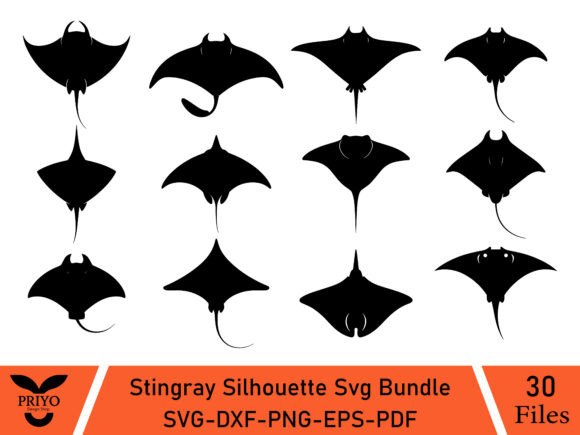
First impression? The Stingray Silhouette SVG Bundle, Fish SVG lands with quiet confidence—not flashy, not fussy. It’s a single, fluid silhouette: smooth curves, tapered tail, subtle contour hints, no internal line work or decorative flourishes. That simplicity is its strength—and its first real test. I pulled it up on my embroidery software while prepping a custom order: a set of linen tea towels for a coastal boutique. Right away, I asked myself: *Will this hold up as an embroidered motif at 3.5 inches tall on textured fabric? Will the negative space read clearly after stitching?*
Where This Design Truly Belongs
This isn’t a design that shouts—it invites. That makes it ideal for thoughtful handmade products, not mass-market tees. I’ve used the Stingray Silhouette SVG Bundle, Fish SVG successfully on:
- Medium-weight cotton tote bags (embroidered front panel, 4.2" wide)
- Organic cotton baby onesies (as a single chest motif—soft, gender-neutral, and quietly elegant)
- Canvas aprons for a seafood restaurant pop-up (stitched in navy thread on natural canvas)
- Pillow covers with linen-cotton blend fabric (paired with tonal stitch, no fill-heavy areas)
- Embroidered patches for surf school staff—laser-cut backing, clean edges, easy iron-on application
In each case, the design’s restraint worked in its favor. Customers commented on how “calm” and “intentional” the pieces felt—not just decorated, but considered. That matters when you’re pricing handmade goods or building a boutique brand.
Real Embroidery Considerations — Not Just “SVG = Ready to Go”
Here’s what I learned stitching the Stingray Silhouette SVG Bundle, Fish SVG across five different projects:
- Hoop size & density matter more than expected. At under 4 inches wide, it fits most standard hoops—but because the tail tapers so finely, I recommend using at least a 5x7 hoop to maintain consistent tension. On smaller hoops, the outer curve sometimes pulls slightly. Also: check stitch density. If your digitizer used heavy fill stitch in the body, it can puff on lightweight fabrics. A light satin outline + open negative space reads cleaner.
- It shines on stable, medium-texture fabrics. Linen, quilting cotton, twill, and midweight canvas all handled it beautifully. Avoid it on highly stretchy knits (like jersey) without proper cutaway stabilizer—and even then, test first. The long, thin tail edge can distort if the fabric shifts during stitching.
- Dark fabric? Yes—but choose thread wisely. I stitched it in ecru on charcoal linen tea towels, and the contrast was warm and sophisticated. Black thread on white cotton gave sharp definition for a nursery wall hanging. But avoid very light thread on pale heather gray—it fades into the background. Always preview your embroidery file in black-and-white mockups before finalizing.
- Not ideal for curved surfaces without adjustment. Tried it on a structured baseball cap front panel—looked great digitally, but the tail tip lost crispness over the crown’s curve. For caps or mugs (if converting to heat-transfer), simplify further or use it as a flat patch instead.
What It Adds to Your Finished Product — Beyond the Stitch
This Illustrations-category design elevates perception. When customers see that clean, balanced stingray on a hand-stitched kitchen towel or baby blanket, they don’t just register “fish”—they sense craftsmanship, intention, and a cohesive aesthetic. That builds trust. Etsy sellers told me buyers specifically mentioned “the calm, oceanic feel” in reviews—not just “cute design.” That kind of emotional resonance translates directly to repeat purchases and word-of-mouth referrals.
It also supports brand consistency. Whether you’re a small shop selling coastal home goods or a craft fair vendor with a nautical line, the Stingray Silhouette SVG Bundle, Fish SVG works as a unifying motif—subtle enough for adult tastes, gentle enough for baby items, versatile enough for holiday embroidery (think: embroidered ornaments or gift tags).
Practical Designer Notes Before You Stitch
Before committing to client work or bulk production:
- Always run a test on scrap fabric matching your project’s weight and texture.
- Check thread color contrast on both light and dark backgrounds—don’t rely solely on screen previews.
- Inspect corner points and tapering edges in your embroidery software. If the tail ends in a single running stitch, reinforce it manually or ask your digitizer to add a tiny lock stitch.
- Use appropriate stabilizer: tear-away for stable wovens, cutaway for knits or high-wear items like aprons.
- Confirm licensing terms. Since the product description states it’s “ideal for prints, t-shirt designs, mug making, posters, and many other tasks,” verify whether commercial embroidery rights are included—especially if you plan to sell finished embroidered products or digital embroidery files.
- Compare how it looks as a printable mockup versus stitched. Some silhouettes flatten beautifully on paper but lose presence in thread. This one holds up well—but only if digitized thoughtfully.
Final Thought: A Quiet Anchor in Your Design Assets
The Stingray Silhouette SVG Bundle, Fish SVG won’t dominate a collection—but it’ll ground one. It’s the kind of Graphics asset that earns its place not through novelty, but reliability. For craft business owners stitching personalized gifts, Etsy sellers curating seasonal collections, or apparel decorators building a coastal capsule line, it’s a smart, low-risk addition to your library. Just remember: even simple silhouettes demand thoughtful execution. Test. Adjust. Respect the fabric. And let the shape speak for itself—quietly, clearly, and with intention.